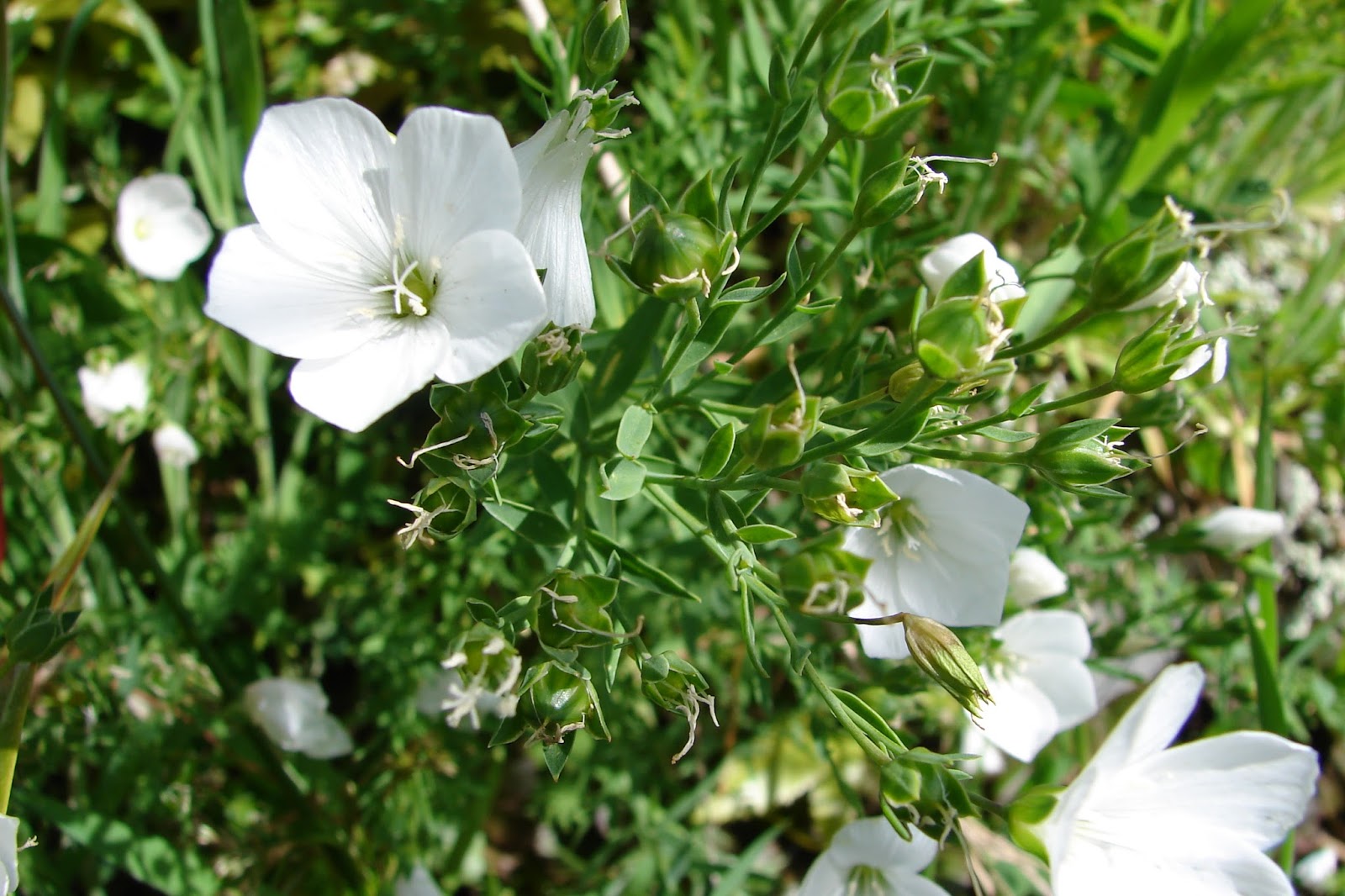
Podocarpus nivalis, mountain totara or snow totara is endemic to the North and South Islands, and is found from Cape Colville southwards and throughout the South Island. It grows in montane to alpine (virtually confined to subalpine and alpine areas in the North Island), and is common in open tussock grassland, subalpine scrub and herbfield, at the base of active scree, amongst boulderfalls and on cliff faces and razorback ridges. Sometimes extending down into beech forest and down into valley heads. It varies much in size and habit. In some districts it is mainly a more or less erect shrub 1 to 1.2m high, while in others it is depressed or quite prostrate and spreading in all directions to form springy mats that are many metres wide. Both forms are useful plants in rock gardens and the more prostrate form is good as a ground-cover plant or for growing down over walls and banks, and th erect form is useful as a low growing hedge. It has a slender trunk with numerous spreading branches, dense branchlets with bronze-green, dark green, sometimes dark wine-red or bronze-purple, leaves that are closely spaced and spirally arranged. It was discovered by J.C. Bidwill in 1839 during his ascent of Mount Ngauruhoe.
Sunday, 17 December 2017
Thursday, 14 December 2017
Libocedrus bidwillii, pahautea, kaikawaka or NZ cedar is endemic to the North and South Islands. It is found in the North from Te Moehau, Te Aroha and Mt Pirongia south, and can be found at low levels on the West Coast of the South Island. It grows in montane to subalpine regions from 250-1200 m.a.s.l. but exclusively upper montane in northern part of range. It is usually found in mixed cloud forest, often at the margins where forest grades into subalpine scrub or wetlands. This species seems to prefer regions of moderate to high rainfall and long periods of cloud cover. It forms a tree of up to 20m high with a truck that can be 1m through. It is a dense rich green conical tree with spreading branches that likes deep rich damp soils. It has separate male and female cones that appear on the same tree.
Monday, 11 December 2017
Metrosideros excelsa, Pohutukawa, or New Zealand Christmas tree is endemic. It is naturally occurring from the Three Kings Islands (north of Cape Reinga) south to about Pukearuhe, northern Taranaki (in the west) and near Mahia Peninsula (in the east). However, exact southern limit is difficult to ascertain as it has been widely planted and there is evidence that old time Maori cultivated the tree in some southerly areas. Found inland around the Rotorua Lakes and at Lake Taupo - though these occurrences could stem from Maori plantings (though the association of other normally coastal species around these lakes argues against this). Now widely planted throughout the North Island and northern South Island (especially around Nelson, the Marlborough Sounds, the Kaikoura Coast and on the west coast to about Hokitika). It is found in coastal forest and on occasion inland around lake margins, also in the far north occasionally an associate of kauri forest, and in some northerly locations it forms forest type in its own right - a forest dominated by pohutukawa. A tree of up to 20m tall with a spreading canopy of (10-)20(-50)m. Specimens typically multi-trunked from base, trunks up to 2 m diam., branches spreading, and often arching, sometimes looping over ground, and/or bearing "brooms" of aerial adventitous roots. Young branchlets are hairy, covered in fine, deciduous, greyish-white hairs, and juvenile leaves will persist until the plant is 5-7 years old, are quite different from the adult leaves. Adult plants produce a variety of crimson to brilliant red flowers during December through to January. There are numerous cultivated forms that show the range of colours. Like all New Zealand trees, pohutukawa is most at risk from possum (Trichosurus vulpecula) browse. These can seriously damage and even kill trees, and often where their browsing occurs within sites of unrestricted stock and vehicle access, pohutukawa forest is in danger of becoming locally extinct. It is also at serious risk from Myrtle rust (Austropuccinia psidii) which is a serious fungal disease that affects plants in the myrtle family. Conservation of the species has been enhanced by the national coordination of Project Crimson -a non profit organisation set up to protect, enhance and/or establish pohutukawa forest, as well as promote the species use, and its conservation.
Sunday, 10 December 2017
Podocarpus totara or totara is endemic to the North and South Islands where it is common throughout, also found but extremely scarce on Stewart Island near Freshwater River. It is found in lowland, montane and lower subalpine forest where it can be widespread and at times an abundant tree. In some forest areas it can also become the dominant large tree species. It is a robust dioecious conifer up to 30 m+ tall with a stout trunk 2-3 m diameter that is clad in thick, corky, furrowed and somewhat stringy reddish-grey bark. As a mature tree the trunk can be without branches at base, with stout branches starting sometimes 5m's up that are erect to spreading. It flowers from (August-) October (-December) then fruits that can take a year or so to ripen, and may be found throughout the year, usually peaking at about the same time that cones are produced. They are most frequently seen between April and May. The distinctive red, somewhat oily wood was the timber of preference for use by Maori for constructing canoes (waka), and carvings. The stringy bark was harvested to make bags in which to hold preserved birds.
Thursday, 7 December 2017
Mentha cunninghamii, hihoi, or New Zealand mint is endemic to the North, South, Stewart and Chatham Islands. It is commonly found growing from sea-level to 1300m asl in grasslands, and other open places such as cliffs, river banks, lake sides, grey scrub, occasionally in swampy ground. in lower to montane regions. This very inconspicuous herb is recognised by its low, creeping habit, small rounded leaves with usuallly purplish margins, and a particularly by the strong peppermint smell of foliage when crushed. It has small white scented flowers that are produced over a long period from November to March. It is easily grown plant in sun or light shade, in moist soil. It forms a patch of reasonable size, and would make a great addition to a rock garden, or could be grown in a pot. Its habitat has been degraded by livestock, irrigation, drainage; weed competition. Maori formerly made a hot drink from the leaves that would induce perspiration.
Monday, 4 December 2017
The New Zealand cabbage tree is neither a cabbage nor a
tree. The cabbage tree is one of New Zealand’s most recognised and iconic
plants, and is in the Asparagaceae
family and closely allied to dracaenas. It is culturally significant to Maori
because it was a food source, for medicine, a source of fibres for making
textiles, and many other uses, as well as being often used as maker points when
travelling. There are five recognised species that are endemic to New Zealand. There
are also numerous cultivated forms of cabbage tree.
The five species are:
·
Cordyline australis, tī kōuka, cabbage tree
·
Cordyline
banksii, tī ngahere, forest cabbage tree
·
Cordyline
indivisa, toī, broad leaved or mountain cabbage tree
·
Cordyline
obtecta, syn. C. Kaspar, Three Kings Island cabbage tree
·
Cordyline
pumilio, tī rauriki, dwarf cabbage tree
Cordyline australis, tī kōuka, cabbage tree is endemic to the North, South and Stewart Islands.
Probably naturalised on the Chatham Islands. It is widespread and common from
coastal to montane forest, and most commonly encountered on alluvial terraces
within riparian forest. It is a small tree up to 20 m tall with a stout trunk 1.5-2 m diameter, and
many-branched above. Prior to flowering the trunk is slender and solitary, then branching happens
after the first flowering. It has bark that is corky, persistent, fissured,
pale to dark grey. It has large white higly scented flower heads from (September-) October-December (-January),
then fruits from (December-) January-March. One of the most widely cultivated
New Zealand native plants, and it is very popular in Europe, Britain and the
U.S.A. Easily grown from fresh seed (seedlings often spontaneously appear in
gardens from bird-dispersed seed), emergent shoot,
stem and even trunk cuttings. Very hardy and
will tolerate most soils and moisture regimes but dislikes long periods of
drought. It is excellent in pots and tubs.
Cordyline
banksii, tī ngahere, forest
cabbage tree is endemic to the North and South Islands from sea-level
to 1000m asl. It is common
throughout the North Island, and widespread in the South Island through the
northern half, extending in the west to about Haast with occasional as
unsubstantiated reports of it from the coastal portion of Fiordland. It is a
common plant in coastal, lowland, and lower montane
forests, occasionally extending into subalpine habitats in the South Island. It
is often found in shrublands where it is sympatric
with, and often hybridises with Cordyline pumilio. It is tolerant of a wide
range of situations. It is a shrub or small tree up to 4 m tall with multiple stems,
sometimes 1 to 4 or many, that are 100-150 mm diameter that arising from ground
level, subequal, and sparingly branched withpale green to yellowish-green lanceolate leaves that are somewhat
"paddle-shaped", and broad about middle and drooping from there. It
has white sweetly perfumed flowers from November – January, and then white to
bluish white or blue fruits from February – April. Although it can grow in
drier conditions it much prefers a reasonably moist soil in sun or semi-shade.
Cordyline indivisa,
toī, broad leaved or mountain cabbage tree is endemic
to the North and South Islands and is found from 450 – 1200m asl. In the North
Island known south of Kohukohunui (Hunua) and Te Moehau (Coromandel Peninsula)
but only really common from the Raukumara Ranges and northern portion of the
Central Volcanic Plateau southwards. In the South Island widespread and common
along the north and western portions of the island, more local in the drier
eastern regions. It is a feature of
montane forests and subalpine shrublands, where it usually grows within gullies
and at valley heads. Extending into lowland situations where physical geography
allows for a cooler climate. It is the characteristic cabbage tree of the
wetter, montane forests of the West Coast of the South Island.
It is
a stout tree up to 8 m tall with a trunk up 0.4-0.8 m diameter with massive
stems that are usually unbranched or sparingly so. It’s leaves are broadly
sword-shaped that droop with age, and area a blue-green colour above, glaucous below, and often tinged red, orange
red or golden. It has white faintly fragrant flowers from (November-) December-January, then bluish to
dark blue fruit from January-May. It can be difficult to grow in some of the
drier regions of the country, and because it naturally grows in cooler mountain
forest or high rainfall areas, it prefers a rather deep rich, cool soil.
Cordyline
obtecta, syn. C. kaspar, Three Kings Island cabbage tree is indigenous to the Three Kings Islands (North
East Island, Manawa Tawhi (Great Island), South West Island and West Island),
North Island (North Cape and Murimotu Island), Poor Knights Islands (Aorangi and
Tawhiti Rahi), but is also present on Norfolk Island, which is the type locality for Cordyline obtecta. It is a stout, widely
branched tree up to 6 m tall, which can have either a solitary trunk, or is
multi-trunked from the base, with the trunks up to 0.45 m in diameter at the
base that have copious, firm, corky, grey-brown bark. Leaves are the same
colour throughout, and are either yellow-green, or green to glaucous-green, and often dropping. It has white to
pale yellowish flowers are strongly and sweetly scented, and appear from
September – December followed by fruit from March – June. It is suitable for most soil types and can
be tender to frosts when younger, and may not be suitable for some areas,
especially in districts that get severe frost.
Cordyline pumilio,
rauriki, tī koraha, or dwarf cabbage tree is endemic to the North Island, from Te Paki (North
Cape) to Kawhia Harbour in the west and Bay of Plenty in the East. It is found
in coastal to montane areas, and often in
gumland and other shrubland from sea-level to 450 asl. It is common in kauri
(Agathis australis) forest, especially along ridgelines and around slip scars. It
is a plant that forms leafy tufts up to 1 m tall, quite often with no trunk, or
rarely sparingly developed, and occasionally reaching up to 2 m tall. It is
easily recognised by its long, rather grass-like foliage, and from all other
Cordyline in New Zealand by its usually "stemless" growth habit (the
stems are actually buried beneath the soil). More frequently confused with
Dianella or Libertia from which it is easily distinguished by the,
yellow-green, prominently ribbed leaves. It has very slender loosely branched
panicles with distantly space red/pink flowers from October – January that are followed
by fruit that are bluish or flecked with blue from March – May. It is a very
useful plant for garden borders or in a rock garden, and can be grown in a pot.
It likes a deep garden soil, and will grow in a sunny or semi-shaded position.
Sunday, 3 December 2017
Creating waterwise gardens!
The main focus behind creating a water wise garden is to create a garden which is both attractive and thrives with minimal water. Outdoor water use makes up a large percentage of residential water consumption (especially in the summer), and research indicates great savings can be made if water wise gardening techniques are applied. Water wise gardening means thinking about things like watering techniques, mulching, using organic material, plant selection and design.
Your garden plants probably need less water than you think. Watering little and often does not help, as the water does not penetrate deep into the ground and only encourages plants to develop shallow rooting systems (near the soil surface). One good soak during a 10 day period is more beneficial than a light watering daily. You can find out if you need to water by digging a hole, a spades depth and examining the soil, only watering if it feels dry to touch. Water only in the cool of the morning or evening to prevent evaporation, use a watering can (great exercise) or a hand-held hose making sure that the plant gets the water where it needs it not running off. When planting put a saucer shaped dip around the base of the plant so that when you water it pools around the plant. Mulching your garden helps because you stop the soil from drying out in the first place, by evaporation by the wind or sun. A mulch is simply a layer of material placed on the surface to stop weeds from flourishing, prevents water evaporation from the soil improving the condition of the soil. Mulches can be made from various materials, such as bark chips, gravel, pea straw. For most native plants we would recommend a good bark mulch. The thicker the layer of mulch the more effective it is, with one of 5-10 cm making a huge difference to water retention. Adding plenty organic material will help with water retention in soils, using plenty of compost and also using Sphagnum Moss when planting. These products all help to hold more moisture in the soil. Design your gardens using dry hardy plants, and use plants that have similar soil and water needs together in the same garden beds. There are a wide range of plants that will survive a dry summer with minimal watering (once established), consider using some of the following genus, Brachyglottis, Coprosmas, Cordylines, Hebes, Olearias, Pachystegia, Pseudopanax, Sophora, and many more.
Subscribe to:
Posts (Atom)
Leptinella squalida subsp. mediana is endemic to the South and Stewart Islands. It is found from northwest Nelson and inland Marlborough to...
-
Carpodetus serratus, putaputaweta, or marble-leaf is endemic to the North, South and Stewart Islands. It is found from sea-level to 1000m a...
-
Clematis 'Purity’ is a cultivar of Clematis fosterii and Clematis paniculata, that was bred by the late Mr Arthur Ericson of Akaroa for...
-
Scleranthus biflorus occurs in the North & South Islands, but also in Tasmania, Australia and in South America. It is common around the ...